
Highlights
- Microneedling and chemical peels are widely used for skin rejuvenation and scar reduction.
- Common temporary side effects include redness, sensitivity, and mild peeling.
- Proper preparation, technique, and aftercare greatly reduce complication risks.
- Professional treatments yield safer, more consistent outcomes than at-home versions.
- Informed clients experience improved confidence and satisfaction through realistic expectations.
Introduction to Microneedling and Chemical Peels
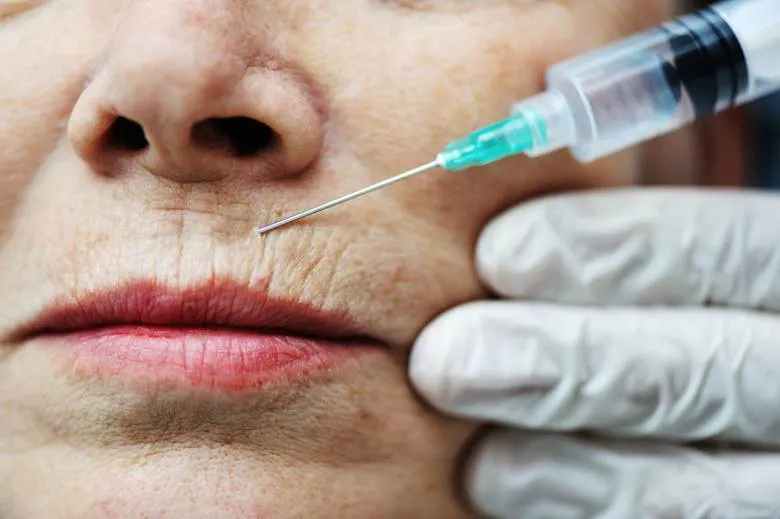
Microneedling and chemical peels remain two of the most trusted non-surgical procedures in aesthetic medicine. Both techniques stimulate skin renewal—microneedling through micro-injury and peels through controlled exfoliation. They improve texture, tone, and collagen production, offering noticeable rejuvenation with minimal downtime. Despite their popularity, many clients wonder if these procedures carry side effects. Understanding potential reactions helps individuals choose treatments confidently and responsibly. When performed by qualified professionals, these methods are generally safe and effective. However, every cosmetic procedure interacts uniquely with skin type, sensitivity, and aftercare routines, making education essential for optimal results.
How Microneedling Works
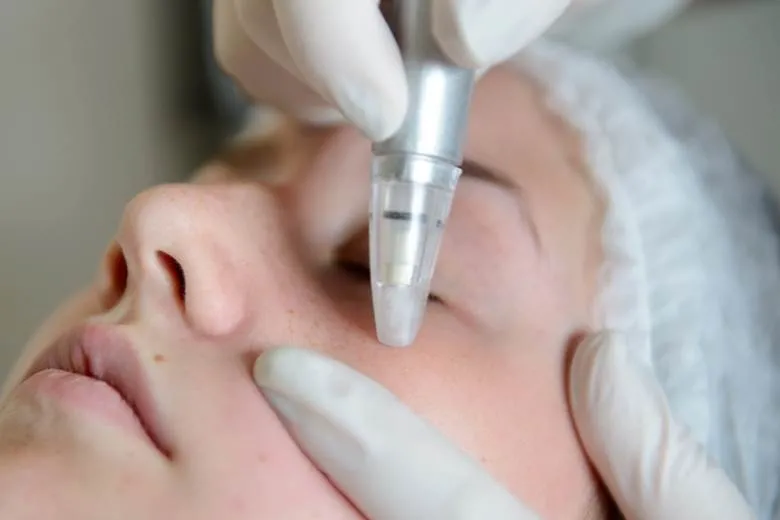
Microneedling, also known as collagen induction therapy, uses fine sterile needles to create microchannels in the skin. These micro-injuries trigger the body’s natural healing process, stimulating collagen and elastin production. Over several weeks, skin becomes smoother, firmer, and more even in tone. The treatment can address acne scars, fine lines, enlarged pores, and mild laxity. Modern microneedling devices allow depth adjustments for customized care, minimizing trauma while maximizing results. When combined with platelet-rich plasma (PRP) or exosomes, the procedure can accelerate recovery and improve glow. The controlled precision of professional microneedling distinguishes it from over-the-counter rollers, which often lack sterility and depth accuracy.
How Chemical Peels Work
Chemical peels use specially formulated acids—such as glycolic, salicylic, lactic, or trichloroacetic acid (TCA)—to remove damaged outer layers of skin. By promoting exfoliation and cellular turnover, peels reveal fresher, healthier tissue underneath. Light peels may produce a mild “sun-kissed” flake, while medium to deep peels can address wrinkles, hyperpigmentation, and acne scars more aggressively. Aesthetic professionals carefully select concentration and type based on skin tone, condition, and goals. The American Society for Dermatologic Surgery notes that customized blends and controlled application significantly reduce complications compared to outdated, one-size-fits-all formulas. When administered safely, peels can dramatically enhance clarity and luminosity.
Common Temporary Side Effects
Both microneedling and chemical peels commonly cause mild, short-term reactions as part of the skin’s normal healing process. Clients may notice redness, tightness, slight swelling, or sensitivity for one to three days after treatment. Light peeling or dryness can occur as the skin renews itself. These effects are typically mild and subside without intervention. For microneedling, minor pinpoint bleeding or a flushed appearance immediately after treatment is normal and indicates proper stimulation. With chemical peels, flaking or “shedding” signals the removal of dead cells. Professionals often recommend gentle cleansers and fragrance-free moisturizers to maintain hydration and comfort during recovery.
Less Common but Possible Reactions
While rare, certain individuals may experience temporary pigmentation changes, breakouts, or prolonged redness. In sensitive or darker skin types, overly aggressive treatments can occasionally trigger post-inflammatory hyperpigmentation (PIH). This risk is minimized by using appropriate peel strengths and needle depths tailored to each skin profile. Infection is extremely uncommon when sterile technique and proper sanitation are followed. According to American Society for Dermatologic Surgery, side effects are preventable when treatments are performed by licensed providers trained in aesthetic dermatology. Thorough consultation and patch testing are recommended before initial sessions to identify sensitivities or contraindications.
Role of Professional Expertise
Professional oversight is key to minimizing complications and maximizing results. Licensed aestheticians, nurses, and medical professionals receive specialized training in skin anatomy, wound response, and chemical application. They evaluate each client’s medical history, current medications, and previous procedures to determine candidacy. For example, recent isotretinoin use or active acne flare-ups may delay eligibility. Qualified professionals also manage timing between treatments—spacing sessions four to six weeks apart—to allow proper collagen remodeling and barrier repair. In contrast, at-home microneedling rollers and online peel kits carry a higher risk of uneven results, scarring, or infection due to uncontrolled variables and lack of clinical sanitation.
Importance of Pre-Treatment Preparation
Skin preparation significantly affects tolerance and healing. Most specialists advise discontinuing retinoids, exfoliants, and acids at least five days prior to treatment. Sun exposure should also be avoided, as pre-irritated or tanned skin may react unpredictably. For chemical peels, applying a pre-conditioning cream such as hydroquinone or glycolic acid in the weeks leading up to the session can enhance uniformity. Microneedling candidates should arrive with clean, makeup-free skin to reduce bacterial contamination. Adequate hydration and nutrient intake support recovery, as the body requires collagen-building amino acids and vitamins to repair tissue efficiently after treatment.
Aftercare and Recovery Practices
Proper aftercare is critical for minimizing side effects and achieving consistent results. Post-treatment guidelines typically include avoiding makeup for 24 hours, using gentle cleansers, and applying mineral sunscreen daily. Clients should refrain from exfoliation, retinoids, or active serums until the skin barrier fully heals. For chemical peels, it’s essential not to pick or peel flaking skin manually, as this can cause scarring or pigmentation changes. Microneedling patients should also avoid saunas, intense exercise, and direct sun exposure for several days. Providers may recommend barrier-repair creams or hyaluronic acid serums to soothe inflammation and support hydration during recovery.
Long-Term Benefits vs. Short-Term Reactions
Most post-procedure side effects fade quickly and are outweighed by long-term benefits. Microneedling encourages collagen remodeling for months after treatment, improving resilience and firmness. Chemical peels brighten dull complexions, refine pores, and smooth roughness. Both can significantly enhance the absorption of medical-grade skincare products. When performed in a series, these treatments produce cumulative improvement that can last years with maintenance. Understanding that short-term redness or flaking is part of natural renewal helps set realistic expectations. Patients who follow professional protocols generally experience radiant, balanced skin with minimal disruption to daily life.
Combination Treatments and Caution
In 2025, many medical spas combine microneedling or chemical peels with regenerative boosters such as exosomes or growth factors to reduce downtime and amplify results. However, combining too many procedures simultaneously can overstress the skin. Providers must evaluate recovery tolerance before stacking treatments. For example, pairing a medium peel with deep microneedling in one session could heighten irritation. The safest approach is to schedule treatments several weeks apart or use gentler, layered protocols. Open communication between client and provider ensures that customization enhances rather than compromises skin health. A cautious, stepwise strategy achieves better long-term outcomes than aggressive intervention.
Addressing Myths and Misconceptions
Online misinformation often exaggerates side effect risks or promotes unsafe do-it-yourself methods. Common myths include claims that microneedling “thins the skin” or that chemical peels cause permanent sensitivity. In truth, controlled stimulation thickens the dermal layer and strengthens resilience when performed professionally. Another misconception is that darker skin tones should avoid these treatments entirely; however, modern formulations and protocols safely accommodate all Fitzpatrick types with proper supervision. Education dispels fear and empowers clients to seek quality care.
When to Contact a Provider
Although complications are rare, clients should contact their provider if they notice excessive swelling, prolonged pain, or signs of infection such as pus or fever. Immediate communication allows early intervention, usually with topical or oral medication. Most concerns resolve quickly when addressed promptly. It’s also important to schedule follow-up visits to assess healing progress and determine ideal maintenance intervals. Consistent evaluation prevents over-treatment and helps providers adjust settings or peel strengths for future sessions. Monitoring results in a professional setting ensures that every treatment contributes to the skin’s long-term vitality rather than short-term correction alone.
Microneedling and chemical peels remain two of the safest and most effective options for skin rejuvenation when performed by qualified professionals. Temporary redness, tightness, or mild peeling are normal parts of the body’s healing cycle, not warning signs of harm. With proper preparation, technique, and aftercare, serious side effects are extremely rare. The real danger lies in unregulated environments or self-administered kits lacking medical oversight. As the 2025 aesthetic industry continues to prioritize evidence-based care, clients can enjoy transformative results supported by advanced technology and clinical expertise. Educated decisions, professional treatment, and thoughtful aftercare together yield radiant, healthy, and confident skin.