
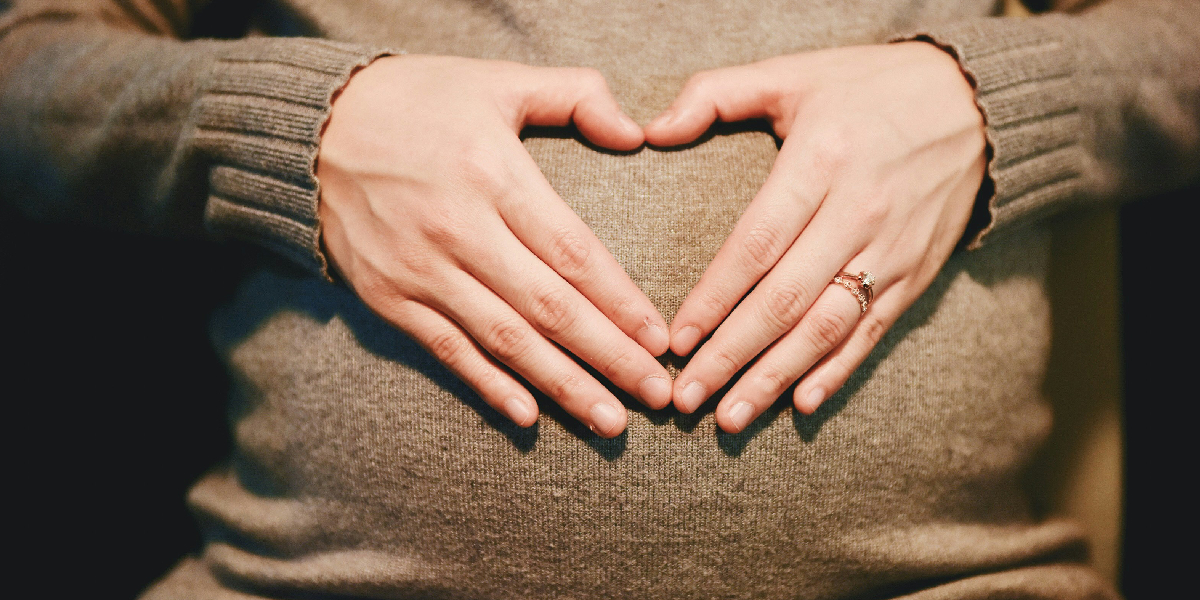
Pregnancy often begins with small changes that can easily go unnoticed. Some women feel different almost immediately after conception, while others may not recognize any symptoms for several weeks. Understanding the very early signs of pregnancy can help you identify what your body may be trying to tell you and allow you to take important steps toward protecting your health and your baby’s development.
Although a missed period is usually the most well-known symptom, pregnancy can cause a wide range of physical and emotional changes long before that happens. Hormonal shifts begin very early, influencing everything from energy levels and digestion to mood and sleep patterns.
This guide explains the most common really early signs of pregnancy, how these symptoms differ from normal premenstrual changes, and when you should consider taking a pregnancy test.
Understanding What Happens in Early Pregnancy
Pregnancy begins when a fertilized egg attaches itself to the lining of the uterus. This process, called implantation, triggers the production of pregnancy hormones such as human chorionic gonadotropin (hCG), progesterone, and estrogen.
These hormones help support the pregnancy, but they also create noticeable changes throughout the body. Some women are very sensitive to these hormonal changes and experience symptoms quickly, while others may not notice anything unusual during the first few weeks.
Every pregnancy is different, which is why symptoms can vary greatly from one person to another.
Missed Period: The Most Common Early Sign
For many women, the first clue of pregnancy is a missed menstrual cycle. If your periods are usually regular and your cycle suddenly does not arrive on time, pregnancy could be the reason.
However, a missed period alone does not always confirm pregnancy. Stress, hormonal imbalances, sudden weight changes, excessive exercise, and certain medical conditions can also delay menstruation.
Women with irregular periods may find it harder to identify pregnancy through cycle tracking alone. In such cases, additional symptoms often become more helpful.
Implantation Bleeding and Mild Cramping
Some women notice light spotting during the early stages of pregnancy. This occurs when the fertilized egg attaches to the uterus and is known as implantation bleeding.
Unlike a regular period, implantation bleeding is usually very light and short-lived. The blood may appear pink or brown rather than bright red, and the flow is typically minimal. Mild cramping can also occur during this time.
Because implantation bleeding often happens around the time a period is expected, many women mistake it for the beginning of menstruation.
| Implantation Bleeding | Menstrual Period |
|---|---|
| Light spotting | Heavier flow |
| Pink or brown color | Bright or dark red |
| Lasts one to three days | Lasts several days |
| Mild cramping | Stronger cramps possible |
Breast Changes and Sensitivity
One of the earliest hormonal effects of pregnancy involves the breasts. Many women experience tenderness, swelling, or heaviness within the first few weeks after conception.
The nipples may become darker, and veins can appear more noticeable due to increased blood flow. These symptoms are caused by rising estrogen and progesterone levels preparing the body for breastfeeding later in pregnancy.
Although breast soreness is also common before menstruation, pregnancy-related discomfort often feels stronger and lasts longer.
Unusual Fatigue and Low Energy
Extreme tiredness is another very common early pregnancy symptom. Even women who normally feel energetic may suddenly find themselves exhausted throughout the day.
This happens because progesterone levels increase rapidly after conception. The body is also working harder to support the developing embryo, leading to higher energy demands.
Many women describe early pregnancy fatigue as different from ordinary tiredness. It can feel overwhelming, even after a full night’s sleep.
Nausea and Morning Sickness
Morning sickness is one of the most recognized pregnancy symptoms, although it does not always occur in the morning. Nausea can happen at any time of the day and may begin as early as the sixth week of pregnancy.
Some women feel only mild queasiness, while others experience frequent vomiting and strong food aversions. Certain smells may suddenly become unpleasant, even if they never caused discomfort before.
Hormonal changes are believed to be the primary cause of pregnancy nausea, particularly rising hCG levels.
| Common Triggers | Gentler Alternatives |
|---|---|
| Fried foods | Plain toast |
| Spicy meals | Rice |
| Strong food smells | Bananas |
| Oily dishes | Crackers |
Frequent Urination
During early pregnancy, increased blood flow and hormonal changes make the kidneys work more efficiently. As a result, the bladder fills more quickly, leading to more frequent urination.
This symptom may appear surprisingly early and often continues throughout pregnancy. Many women notice they need to wake up during the night to use the bathroom more often than usual.
Mood Swings and Emotional Changes
Hormonal fluctuations can significantly affect emotions during early pregnancy. Some women become more sensitive, emotional, or irritable than usual.
You may find yourself reacting strongly to situations that normally would not bother you. Sudden crying spells, mood changes, or feelings of anxiety are common during the first trimester.
Emotional changes are completely normal and are often linked to rapidly shifting hormone levels combined with the emotional adjustment of a possible pregnancy.
Changes in Appetite and Food Preferences
Pregnancy often changes the way foods taste and smell. Some women develop strong cravings for certain foods, while others suddenly dislike foods they previously enjoyed.
Coffee, spicy foods, and strong-smelling meals are commonly associated with food aversions during pregnancy. A metallic taste in the mouth is another symptom some women notice early on.
These changes are closely connected to hormonal fluctuations and heightened sensitivity to smell.
Bloating and Digestive Changes
Hormonal shifts during pregnancy can slow digestion, causing bloating and discomfort. Many women initially mistake this symptom for typical premenstrual bloating.
Progesterone relaxes muscles throughout the body, including those involved in digestion. As digestion slows, gas and constipation may also occur.
Drinking enough water, eating fiber-rich foods, and consuming smaller meals can help reduce digestive discomfort during early pregnancy.
Dizziness and Headaches
Some women experience dizziness or mild headaches during the early weeks of pregnancy. Changes in blood circulation, hormone levels, and blood sugar can all contribute to these symptoms.
Standing up too quickly may cause lightheadedness, especially if you have not eaten regularly or are dehydrated.
Although occasional headaches are common, severe or persistent symptoms should be discussed with a healthcare professional.
Increased Sensitivity to Smells
A heightened sense of smell is another early sign many women notice. Odors that once seemed mild may suddenly feel overpowering or unpleasant.
This increased sensitivity often contributes to nausea and food aversions. Even common household smells, perfumes, or cooking aromas can trigger discomfort.
Changes in Vaginal Discharge
Early pregnancy can cause an increase in vaginal discharge due to hormonal changes and greater blood flow to the vaginal area.
Normal pregnancy discharge is usually thin, milky white, and mild-smelling. However, discharge with a strong odor, unusual color, or itching may indicate an infection and should be evaluated by a doctor.
Pregnancy Symptoms vs PMS Symptoms
One reason early pregnancy can be difficult to recognize is because many symptoms resemble premenstrual syndrome (PMS). Breast tenderness, bloating, fatigue, and mood swings are common in both situations.
However, pregnancy symptoms often become stronger over time instead of disappearing after a few days.
| Symptom | PMS | Pregnancy |
|---|---|---|
| Breast soreness | Common | Common |
| Fatigue | Mild | Often more intense |
| Nausea | Rare | More common |
| Missed period | No | Usually yes |
| Spotting | Rare | Possible implantation bleeding |
When Should You Take a Pregnancy Test?
The best time to take a pregnancy test is after you miss your period. Testing too early can produce inaccurate results because hCG levels may still be low.
Home pregnancy tests are generally very accurate when used correctly. Taking the test in the morning often improves accuracy because urine is more concentrated at that time.
If the result is negative but pregnancy symptoms continue, repeating the test a few days later may be helpful.
Blood Tests vs Home Pregnancy Tests
Doctors can confirm pregnancy through blood tests, which are more sensitive than urine tests and can detect pregnancy earlier.
| Test Type | Accuracy | Location |
|---|---|---|
| Home urine test | Highly accurate after missed period | At home |
| Blood test | Extremely accurate | Clinic or hospital |
When to See a Doctor
If your pregnancy test is positive, scheduling a medical appointment is important. Early prenatal care helps support a healthy pregnancy and allows doctors to monitor both mother and baby from the beginning.
You should also seek medical attention if you experience severe abdominal pain, heavy bleeding, dizziness, or persistent vomiting.
Healthy Habits to Follow Early in Pregnancy
Even before pregnancy is officially confirmed, making healthy choices can benefit your body.
Taking prenatal vitamins with folic acid is especially important because folic acid supports healthy fetal development during the earliest weeks of pregnancy. Avoiding alcohol, smoking, and excessive caffeine is also recommended.
A balanced diet, regular hydration, proper sleep, and stress management all contribute to better overall health during pregnancy.
Can You Be Pregnant Without Symptoms?
Yes, it is completely possible to be pregnant without experiencing obvious symptoms.
Some women notice multiple signs almost immediately, while others feel very little during the first trimester. The absence of symptoms does not necessarily indicate a problem.
Every woman’s body responds differently to pregnancy hormones.
Common Myths About Early Pregnancy
There are many misconceptions surrounding pregnancy symptoms. One common myth is that every pregnant woman experiences morning sickness. In reality, some women never experience nausea at all.
Another myth is that spotting always means something is wrong. Light spotting can actually be a normal part of implantation.
Cravings are also often linked to predicting a baby’s gender, but there is no scientific evidence supporting this belief.
Listening to Your Body Matters
Recognizing early pregnancy symptoms often requires paying close attention to changes that feel unusual for your body. Persistent fatigue, nausea, breast tenderness, emotional changes, and missed periods can all provide important clues.
Tracking symptoms can help you notice patterns and determine when taking a pregnancy test makes sense.
Final Thoughts
Recognizing very early signs of pregnancy can help you prepare physically, mentally, and emotionally for the journey ahead. While a missed period is often the most obvious symptom, many women experience other changes much earlier, including fatigue, nausea, mood swings, bloating, and breast tenderness.
Because many symptoms overlap with PMS and other health conditions, a pregnancy test remains the most reliable way to confirm pregnancy. If the result is positive, early prenatal care and healthy lifestyle choices become essential for supporting both mother and baby.
Every pregnancy experience is unique. Some women experience many symptoms, while others notice very few. Understanding these early signs can help you feel more informed, confident, and prepared during this important stage of life.
